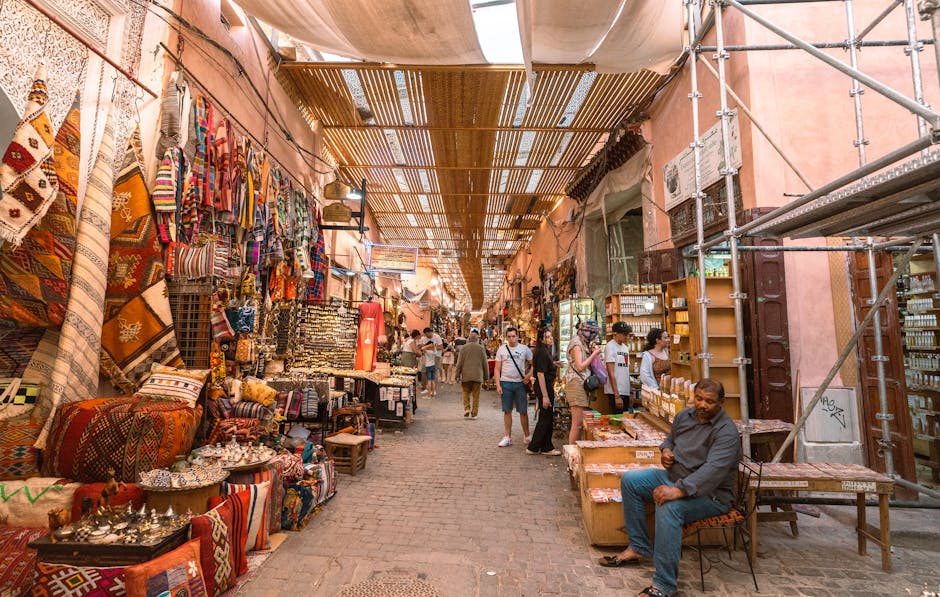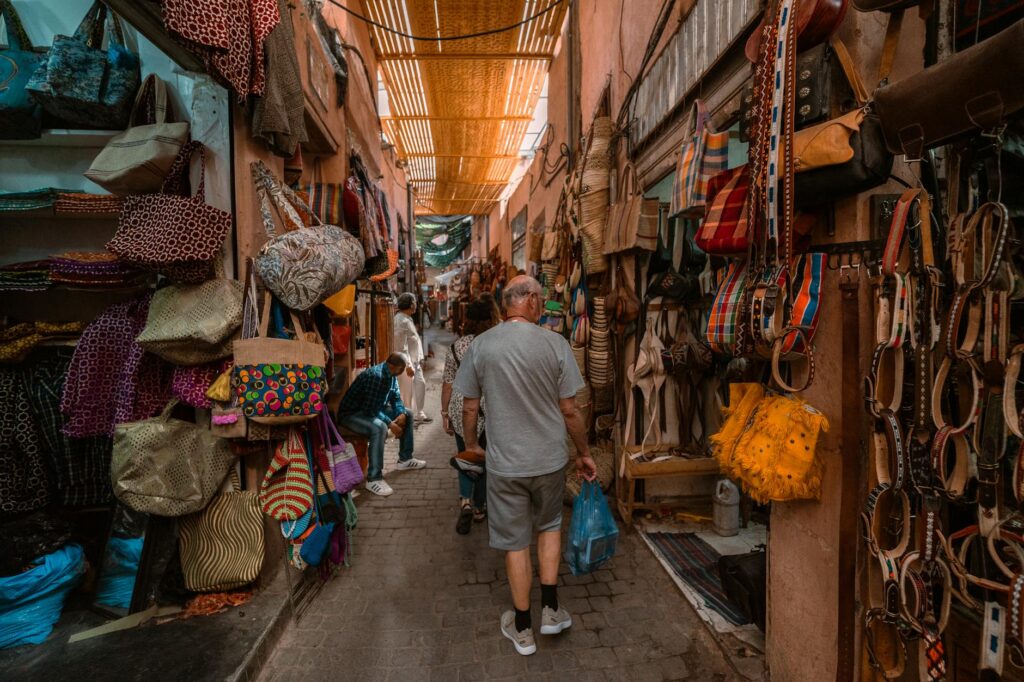
Stepping out from the bustling medina into the vast, golden silence of the Marrakesh Desert is like breathing for the first time in days. While the city pulses with the energy of motorbikes and spice markets, the desert offers a different kind of magic—one that smells of dry sage, woodsmoke, and infinite possibilities.
Table of Contents
- Understanding the Different Desert Landscapes
- Finding Your Path Through the Marrakesh Desert
- The Best Activities for Adventure Seekers
- Luxury Glamping and Berber Culture
- Practical Information and Travel Tips
- Frequently Asked Questions
Understanding the Different Desert Landscapes
When people talk about the Marrakesh Desert, they are often referring to two very different places. The first, and most accessible, is the Agafay Desert. It’s located just about 40 minutes south of the city.
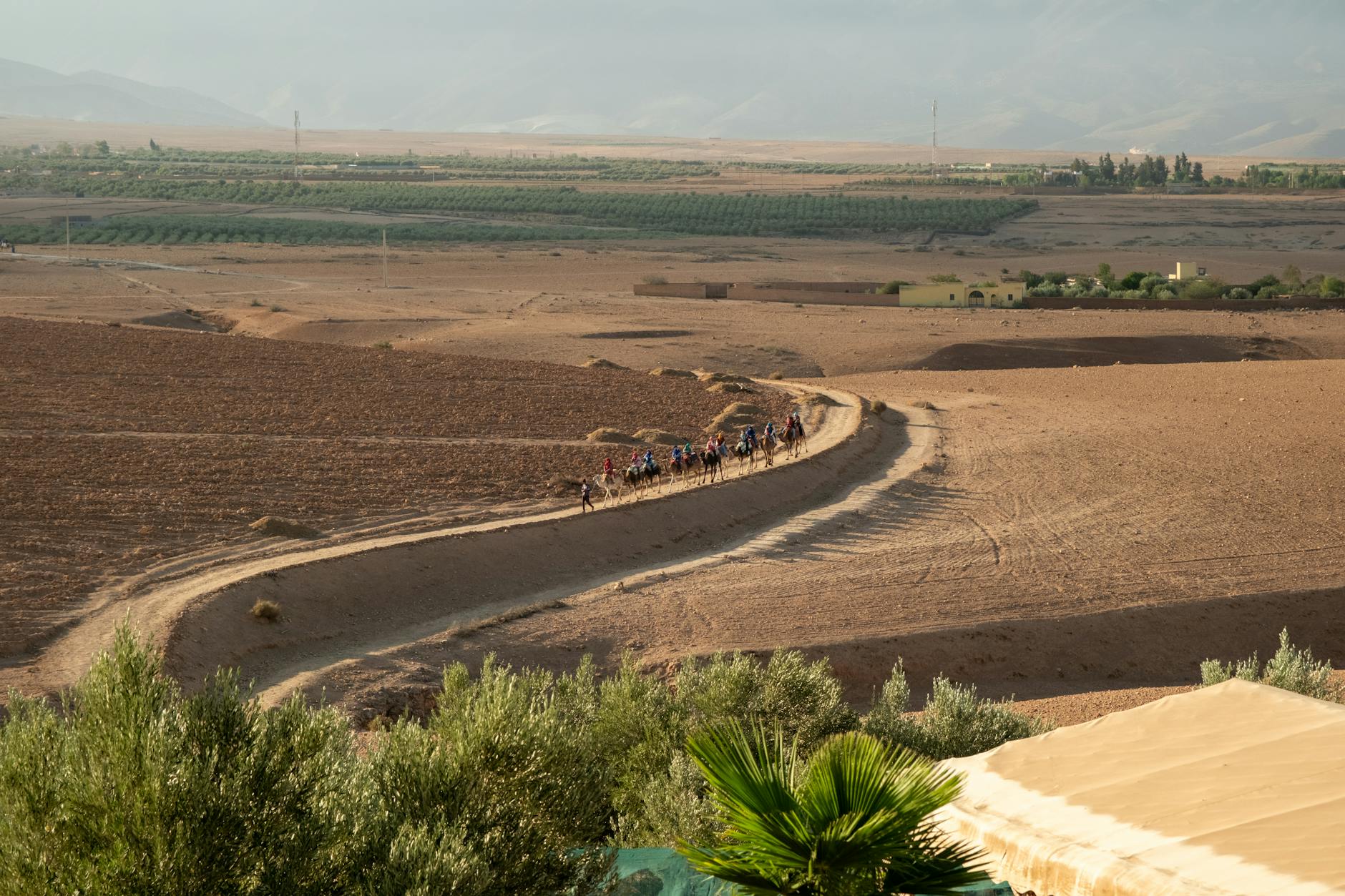
Agafay isn’t your classic “Lawrence of Arabia” sand dune desert. It is a “reg,” or a stone desert. Imagine rolling hills of white and ochre rock that look like frozen waves. In the spring, these hills can even turn green with wildflowers.
The light here is something you have to see to believe. As the sun dips behind the Atlas Mountains, the entire landscape glows like a copper coin. If you are short on time, this is the perfect way to experience the wilderness without spending two days in a car.
If you are trying to decide between a quick trip or a longer stay, I always tell my friends to look at this Agafay Desert Day Trip vs Overnight Stay guide. It helps break down whether those few extra hours are worth it for your specific pace.
The “real” sand dunes, like those in the Sahara, are much further away. To reach the massive dunes of Merzouga or the rugged beauty of Zagora, you’ll need at least two to three days. But the journey itself, crossing the Tizi n’Tichka pass, is a core part of the adventure.
Finding Your Path Through the Marrakesh Desert
I’ve been exploring the Marrakesh Desert for years, and every time I go back, I find a new ridge or a hidden canyon I hadn’t noticed before. The sense of scale out there is humbling.
To get the most out of your visit, you need to decide what kind of traveler you are. Are you looking for a quiet meditation session under the stars, or do you want to feel the wind in your face while racing over rocky plateaus?
The beauty of the Marrakesh Desert is that it accommodates both. You can find a secluded corner of a camp to read a book, or you can join a group of locals for a drum circle around a bonfire.
Most people start their journey at DestinaRoad to get their bearings. We’ve spent a lot of time mapping out the best routes so you don’t end up in the “tourist traps” that sometimes pop up near the city fringes.
If you choose to head toward Zagora, you are entering the gateway of the deep south. This part of the Marrakesh Desert journey isn’t complete without seeing the Draa Valley, where millions of palm trees line the riverbed like a green ribbon through the dust.
The Best Activities for Adventure Seekers
For the adrenaline junkies in the Marrakesh Desert, there is no shortage of ways to get your heart racing. The terrain in Agafay is particularly well-suited for wheels. Our Agafay quad and camel ride package bundles both with hotel transfers if you want it sorted in one booking.
- 🏎️ Quad Biking: This is perhaps the most popular way to see the hidden canyons. The stony tracks allow for some decent speed and incredible views.
- 🏍️ Buggy Tours: A bit more stable than a quad, these are great for couples who want to navigate the dunes together.
- 🐪 Camel Trekking: Yes, it’s a bit of a cliché, but there is a reason everyone does it. Swaying with the rhythm of a camel while the sun sets is a core memory you won’t soon forget.
- 🥾 Guided Hiking: Many people forget you can actually walk these hills. A local guide can show you fossils and ancient shepherd paths.
I remember taking a quad bike out near the Lalla Takerkoust lake. The contrast between the deep blue water and the arid Marrakesh Desert hills was startling. It felt like being on another planet.
If you are planning to spend the night, the activities don’t stop when the sun goes down. Stargazing in the desert is a spiritual experience. With no city lights to wash out the sky, the Milky Way looks like a thick brushstroke of white paint across the heavens.
Luxury Glamping and Berber Culture
Glamping in the Marrakesh Desert feels like a dream you don’t want to wake up from. These aren’t your typical camping tents. We’re talking about hand-woven rugs, king-sized beds, and sometimes even private plunge pools. The Be Agafay overnight desert camp is one of our favourites for exactly this.
The hospitality is what truly sets the experience apart. You will be greeted with “Berber Whiskey”—which is just very sweet, very hot mint tea poured from a height to create a frothy head.
The locals who run these camps are often from the surrounding villages. They know the land better than anyone. Sitting with them and hearing stories about the stars or the history of the nomadic tribes adds a layer of depth that a luxury hotel in the city simply can’t provide.
Dinner is usually a communal affair. Huge tagines filled with slow-cooked lamb, prunes, and almonds are placed in the center of the table. The smell of saffron and cumin fills the air, mixing with the scent of the wood fire.
However, the weather can be a bit tricky. Before you pack your bags, make sure to check out this guide on Agafay Desert Weather in April – July. The temperature drops significantly at night, even in the summer, and you don’t want to be caught shivering in your silk pajamas.
Practical Information and Travel Tips
Planning a trip to the Marrakesh Desert requires a little bit of foresight. It’s not just about booking a car; it’s about timing and preparation.
Best Time to Visit:
The ideal months are from March to May and September to November. During these times, the daytime temperatures are pleasant, and the nights are cool but not freezing.
Estimated Costs:
- 📍 Day Trip (Transport + Lunch): $60 – $100 per person.
- ⛺ Luxury Overnight Stay: $150 – $400 per night.
- 🏎️ 2-Hour Quad Session: $50 – $80.
What to Wear:
Bring layers! Even if it’s 30°C (86°F) during the day, the Marrakesh Desert can drop to 10°C (50°F) once the sun disappears. Wear closed-toe shoes to protect against the rocky terrain and the occasional (though rare) desert critter.
Photography:
The “Golden Hour” in the Marrakesh Desert lasts longer than you think. The dust in the air catches the light, creating a soft, hazy glow that is perfect for portraits. Keep your camera gear protected from the fine dust with a simple dry bag.
If you are coming from the city center, a taxi or private transfer is the easiest way to reach the nearby camps. Visiting the Marrakesh Desert costs vary depending on the level of comfort you choose, but it is an investment in a memory that will stay with you forever.
There is something deeply restorative about the silence here. In the city, your ears are always “on,” listening for traffic or voices. In the desert, your ears finally get to rest. You start to hear the sound of your own breath and the subtle shifting of the sand.
If you have questions about which camp fits your vibe or need a hand planning your desert escape, we are here to help. Start by browsing our Agafay day trips and day passes, like the popular Be Agafay pool day pass with lunch. You can reach out through our contact page for a personalized plan.
Frequently Asked Questions
Is the Marrakesh Desert safe?
Yes, it is very safe. The areas frequented by travelers, like Agafay, are well-monitored and the local communities are incredibly welcoming. Just stick to reputable guides and camps.
Can I see sand dunes near Marrakesh?
The Agafay desert near Marrakesh is a stone desert. For the big sand dunes (Erg Chebbi or Erg Chigaga), you will need to travel about 8 to 9 hours toward Merzouga or Zagora.
What should I pack for a night in the Marrakesh Desert?
Pack a warm jacket, sunscreen, a wide-brimmed hat, and a portable power bank. While many camps have electricity, it’s always good to have a backup for your phone or camera.
Is there internet in the desert?
Most luxury camps in Agafay offer Wi-Fi in the main lounge areas, but the connection can be spotty. In the deep Sahara, you might only have a basic cellular signal.
How long should I stay in the Marrakesh Desert?
A one-night stay is usually perfect for Agafay. It gives you enough time to enjoy the sunset, the stars, and a peaceful breakfast. For the Sahara, you need a minimum of 2 nights (3 days total) to account for the travel time.